Premium Organic Pigment Solutions: Superior Color, Safety & Performance

Get a Free Quote

Our representative will contact you soon.
Email
Company Name
Mobile/WhatsApp
Interest of Products
Message
0/1000

organic pigment

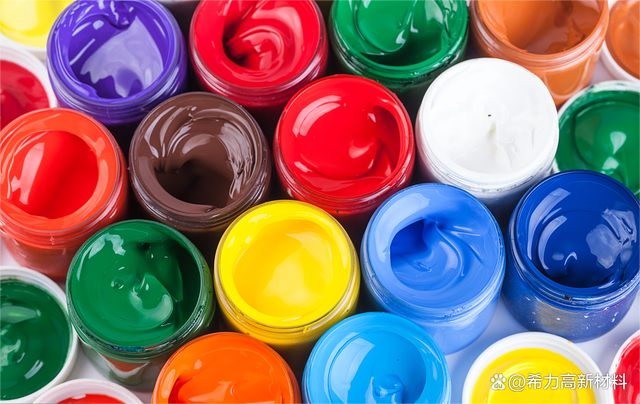
Organic pigment represents a revolutionary class of colorants derived from carbon-based compounds that have transformed the coloring industry across multiple sectors. These sophisticated materials offer exceptional performance characteristics while maintaining environmental sustainability and safety standards that exceed traditional inorganic alternatives. Unlike mineral-based colorants, organic pigment provides brilliant color intensity through molecular structures that interact with light in unique ways, creating vibrant hues that remain stable under various environmental conditions. The technological foundation of organic pigment lies in its complex molecular architecture, featuring conjugated systems that enable superior light absorption and reflection properties. These compounds undergo rigorous synthesis processes that ensure consistent quality and performance across different applications. The main functions of organic pigment include providing intense coloration, enhancing product aesthetics, improving lightfastness, and delivering consistent color reproduction in manufacturing processes. Modern organic pigment formulations incorporate advanced stabilization technologies that protect against UV degradation, temperature fluctuations, and chemical interactions that could compromise color integrity. The technological features of these materials encompass excellent dispersibility, chemical inertness, and compatibility with various substrates and binding systems. Applications for organic pigment span across industries including automotive coatings, architectural paints, printing inks, plastics manufacturing, textile dyeing, and cosmetic formulations. In automotive applications, organic pigment delivers the deep, rich colors demanded by contemporary vehicle designs while withstanding harsh environmental exposure. The printing industry relies on organic pigment for high-quality reproduction in magazines, packaging, and commercial materials where color accuracy is paramount. Plastic manufacturers utilize these pigments to create vibrant consumer products that maintain their appearance throughout extended use cycles. The versatility of organic pigment extends to specialized applications such as artist materials, where lightfastness and color purity are essential for long-term artwork preservation.

Popular Products

Organic pigment offers numerous compelling advantages that make it the preferred choice for manufacturers seeking superior performance and environmental responsibility. The exceptional color strength of organic pigment allows formulators to achieve desired color intensity using significantly smaller quantities compared to traditional alternatives, resulting in cost-effective solutions that deliver outstanding visual impact. This efficiency translates directly into reduced material costs while maintaining or improving product quality standards. The lightfastness properties of modern organic pigment formulations surpass many conventional options, ensuring that colored products retain their appearance for extended periods without fading or color shift. This durability advantage is particularly valuable in exterior applications where UV exposure and weather conditions challenge color stability. Manufacturers benefit from reduced warranty claims and enhanced customer satisfaction when using high-performance organic pigment in their formulations. Environmental benefits represent another significant advantage, as organic pigment typically contains fewer heavy metals and toxic substances compared to inorganic alternatives. This characteristic supports manufacturers in meeting increasingly stringent environmental regulations while appealing to environmentally conscious consumers. The production processes for organic pigment often generate less hazardous waste, contributing to cleaner manufacturing operations and reduced disposal costs. Processing advantages include excellent dispersibility characteristics that facilitate uniform color distribution in various media. This property reduces mixing time and energy requirements during manufacturing, improving production efficiency and reducing operational costs. The compatibility of organic pigment with diverse polymer systems and solvents provides formulators with greater flexibility in product development, enabling innovative applications and improved performance characteristics. Heat stability represents another crucial advantage, as advanced organic pigment formulations maintain color integrity at elevated temperatures encountered during processing operations such as injection molding or extrusion. This thermal stability prevents color degradation and ensures consistent quality in high-temperature applications. The fine particle size distribution of quality organic pigment contributes to smooth surface finishes and reduced grittiness in final products. This characteristic is particularly beneficial in applications requiring smooth textures, such as automotive coatings or high-end printing applications. Economic advantages extend beyond raw material costs to include reduced inventory requirements due to the concentrated nature of organic pigment, lower transportation costs due to reduced shipping volumes, and simplified formulation processes that reduce development time and associated costs.

Practical Tips

Sunmun Subsidiary Named

12

Mar

Sunmun Subsidiary Named "Jiangsu Provincial Green Factory", Advancing Sustainable Colorant Production

View More
Sunmun’s Water-Based Color Paste for Viscose Fiber Dope Dyeing Wins “Jiangsu Premium Product” Certification 2025

16

Mar

Sunmun’s Water-Based Color Paste for Viscose Fiber Dope Dyeing Wins “Jiangsu Premium Product” Certification 2025

View More
Sunmun Deepens Southeast Asia Presence with Eco-Friendly Colorants at Pacific Coatings Show 2025

16

Mar

Sunmun Deepens Southeast Asia Presence with Eco-Friendly Colorants at Pacific Coatings Show 2025

View More
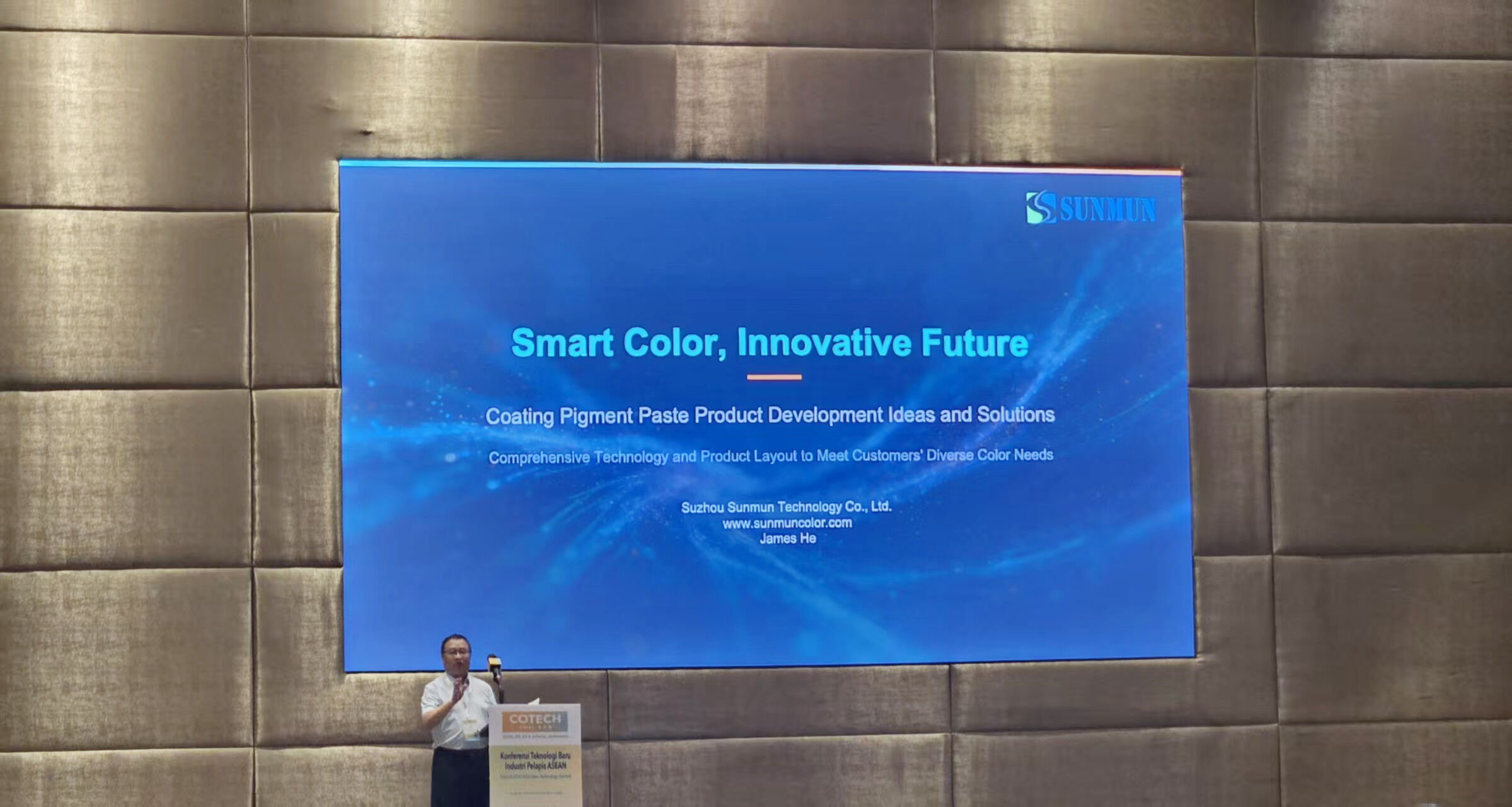
SUNMUN Technology Shines at ASEAN Advanced Coatings Technology Forum in Indonesia

28

Apr

SUNMUN Technology Shines at ASEAN Advanced Coatings Technology Forum in Indonesia

View More

Get a Free Quote

Our representative will contact you soon.
Email
Company Name
Mobile/WhatsApp
Interest of Products
Message
0/1000

organic pigment

Superior Color Intensity and Vibrancy

Superior Color Intensity and Vibrancy

The outstanding color intensity achieved through organic pigment technology represents a fundamental advancement in colorant science that delivers unmatched visual impact across diverse applications. This superior performance stems from the sophisticated molecular structure inherent in organic pigment compounds, which feature extensive conjugated electron systems that interact with light waves in highly efficient ways. These molecular characteristics enable organic pigment to absorb specific wavelengths while reflecting others with exceptional purity, creating the brilliant, saturated colors that distinguish premium products in competitive markets. The chromophoric groups within organic pigment molecules are engineered to maximize color strength, allowing manufacturers to achieve desired color intensity using remarkably small quantities of material. This efficiency provides significant economic benefits while ensuring consistent color reproduction across production batches. The molecular design of modern organic pigment incorporates stabilizing groups that protect the color-generating chromophores from environmental degradation, ensuring long-term color stability that exceeds traditional pigment systems. Advanced manufacturing techniques enable precise control over particle size distribution in organic pigment, optimizing light scattering properties that enhance color development and visual appeal. Smaller, uniform particles provide greater surface area for light interaction, intensifying color appearance while maintaining smooth texture characteristics essential for high-quality finishes. The transparency characteristics of certain organic pigment formulations allow for unique color effects impossible with opaque alternatives, including metallic appearances and depth effects that add premium aesthetic value to finished products. Quality control measures throughout organic pigment production ensure consistent color properties that enable manufacturers to maintain strict color matching standards across different production runs and manufacturing facilities. This reliability is crucial for brand consistency in consumer products where color variations can impact market acceptance and brand perception. The versatility of organic pigment color intensity allows formulators to create custom color solutions that meet specific market demands, from subtle pastels to vibrant, attention-grabbing hues that enhance product differentiation and market appeal.
Exceptional Environmental Safety and Compliance

Exceptional Environmental Safety and Compliance

Environmental safety represents a cornerstone advantage of modern organic pigment technology, addressing growing concerns about chemical safety and environmental impact in manufacturing operations. Unlike traditional pigment systems that may contain heavy metals such as lead, chromium, or cadmium, organic pigment formulations are designed to minimize environmental hazards while maintaining superior performance characteristics. This fundamental difference enables manufacturers to meet increasingly stringent environmental regulations while reducing potential liability associated with hazardous material handling and disposal. The molecular structure of organic pigment consists primarily of carbon, hydrogen, oxygen, and nitrogen atoms arranged in stable configurations that resist breakdown into harmful byproducts under normal use conditions. This inherent stability reduces the risk of environmental contamination during manufacturing, application, and end-of-life disposal phases. Regulatory compliance becomes simplified when using organic pigment, as these materials typically qualify for various environmental certifications and safety standards required in different global markets. The production processes for organic pigment have evolved to incorporate green chemistry principles that minimize waste generation and energy consumption while reducing the use of hazardous solvents and reagents. These improvements benefit manufacturers through reduced environmental compliance costs and enhanced corporate sustainability profiles that appeal to environmentally conscious consumers and business partners. Worker safety improvements represent another crucial aspect of organic pigment environmental benefits, as reduced toxicity levels minimize occupational health risks associated with pigment handling and processing operations. This safety enhancement translates into lower insurance costs, reduced training requirements, and improved workplace satisfaction among production personnel. The biodegradability characteristics of many organic pigment compounds provide additional environmental advantages, particularly in applications where pigmented materials may eventually enter waste streams or natural environments. Advanced organic pigment formulations are designed to break down into harmless components under appropriate conditions, reducing long-term environmental accumulation and impact. Documentation and certification processes for organic pigment typically include comprehensive safety data that facilitates regulatory approval and market acceptance in environmentally sensitive applications such as food packaging, children's products, and medical devices where safety requirements are particularly stringent.
Outstanding Processing Efficiency and Versatility

Outstanding Processing Efficiency and Versatility

Processing efficiency represents a critical competitive advantage of organic pigment technology that directly impacts manufacturing productivity, product quality, and operational profitability across diverse industrial applications. The exceptional dispersibility characteristics of modern organic pigment formulations enable rapid and uniform distribution within various carrier systems, reducing mixing time and energy requirements while ensuring consistent color development throughout the final product. This efficiency improvement translates into significant cost savings through reduced processing time, lower energy consumption, and decreased equipment wear associated with extended mixing operations. The particle size engineering inherent in quality organic pigment production creates materials with optimal flow characteristics that facilitate smooth processing in automated manufacturing systems. These flow properties reduce equipment downtime associated with clogging or uneven material distribution, improving overall equipment effectiveness and reducing maintenance costs. Advanced surface treatment technologies applied to organic pigment particles enhance compatibility with diverse polymer systems, solvents, and processing aids, expanding formulation possibilities and enabling innovative product development. The thermal stability properties of modern organic pigment allow processing at elevated temperatures without color degradation, making these materials suitable for high-temperature manufacturing processes such as injection molding, extrusion, and powder coating applications. This thermal tolerance eliminates the need for special handling procedures or temperature restrictions that can complicate manufacturing operations and limit processing flexibility. The chemical inertness of organic pigment prevents unwanted reactions with other formulation components, ensuring predictable performance and eliminating compatibility issues that can compromise product quality or processing efficiency. Quality consistency represents another crucial processing advantage, as organic pigment manufacturing incorporates stringent quality control measures that ensure batch-to-batch uniformity in color properties, particle size distribution, and chemical composition. This consistency enables manufacturers to maintain precise color matching standards while simplifying inventory management and reducing quality control testing requirements. The concentrated nature of organic pigment allows for efficient shipping and storage, reducing logistics costs and warehouse space requirements while providing extended shelf life that minimizes inventory turnover concerns. Formulation flexibility inherent in organic pigment systems enables manufacturers to adjust color intensity, opacity, and other properties through simple concentration adjustments rather than requiring completely different materials, streamlining product development and reducing inventory complexity while maintaining broad color palette options.

Get a Free Quote

Our representative will contact you soon.
Email
Company Name
Mobile/WhatsApp
Interest of Products
Message
0/1000