fiber dope dyeing oil
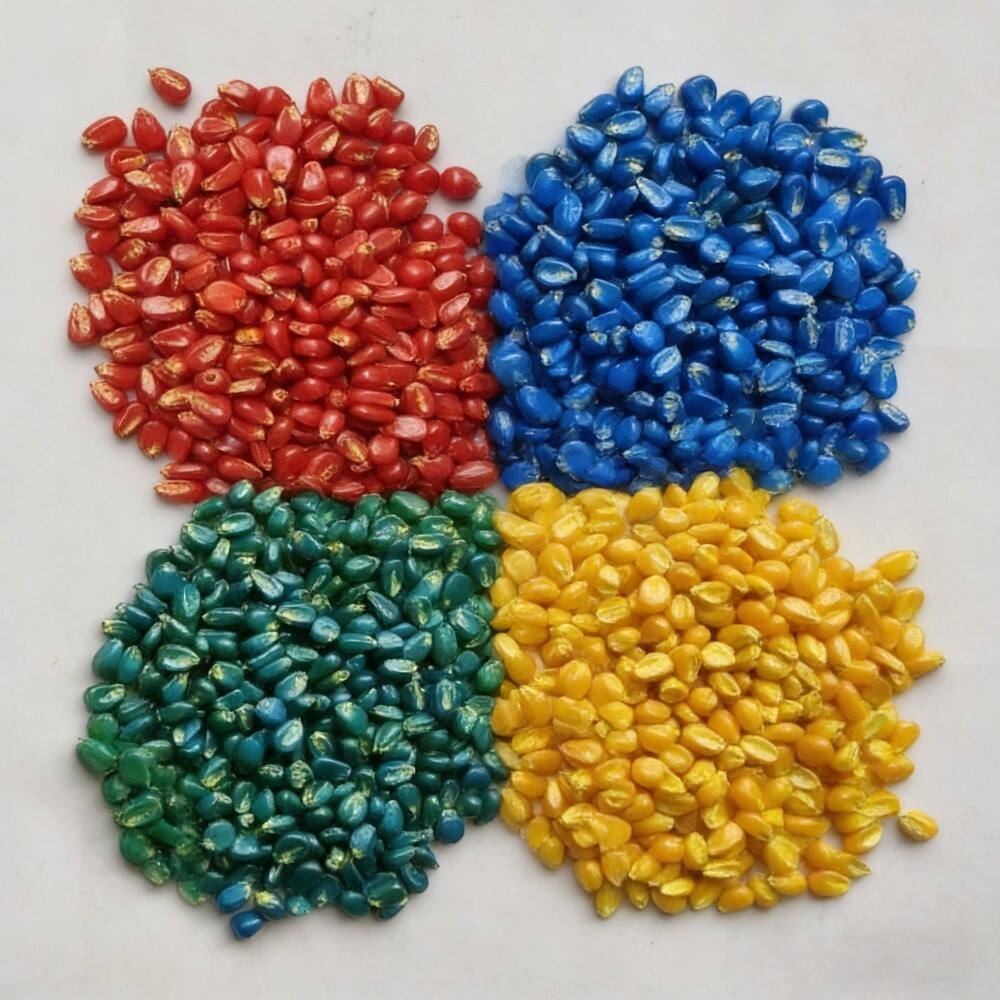
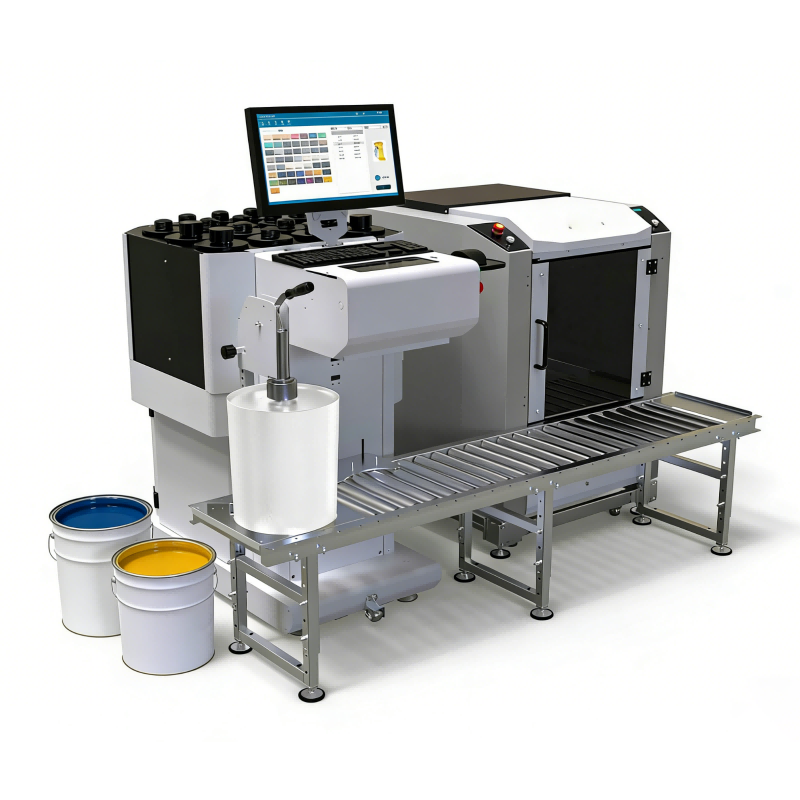
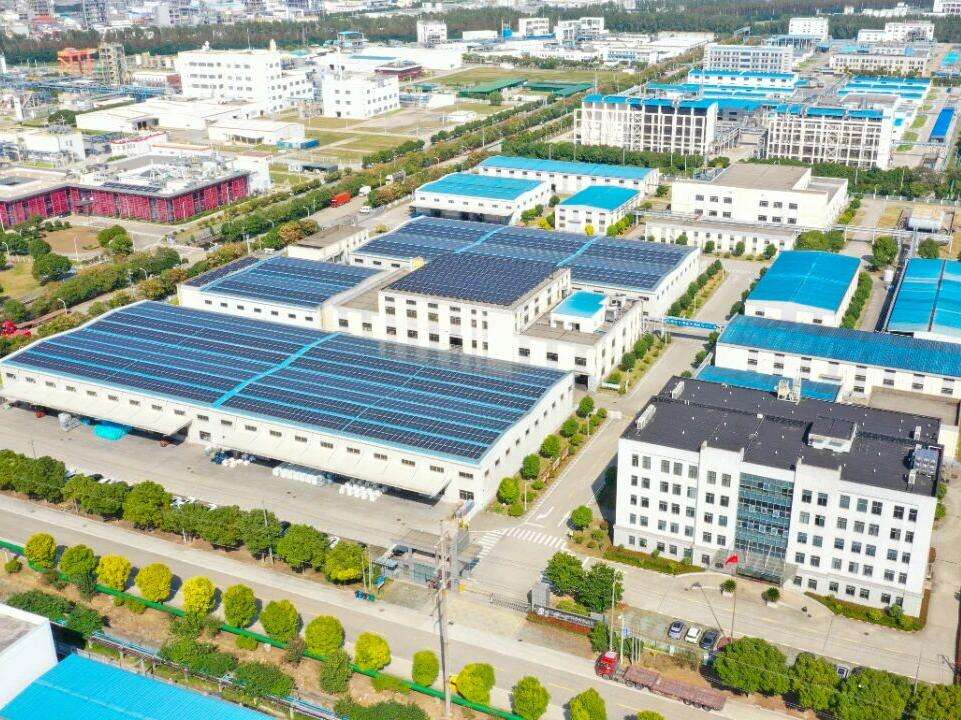
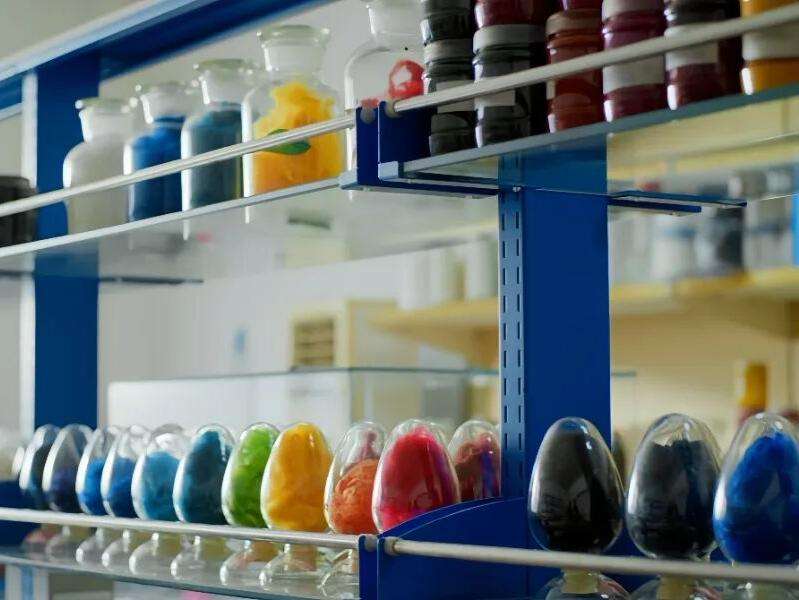
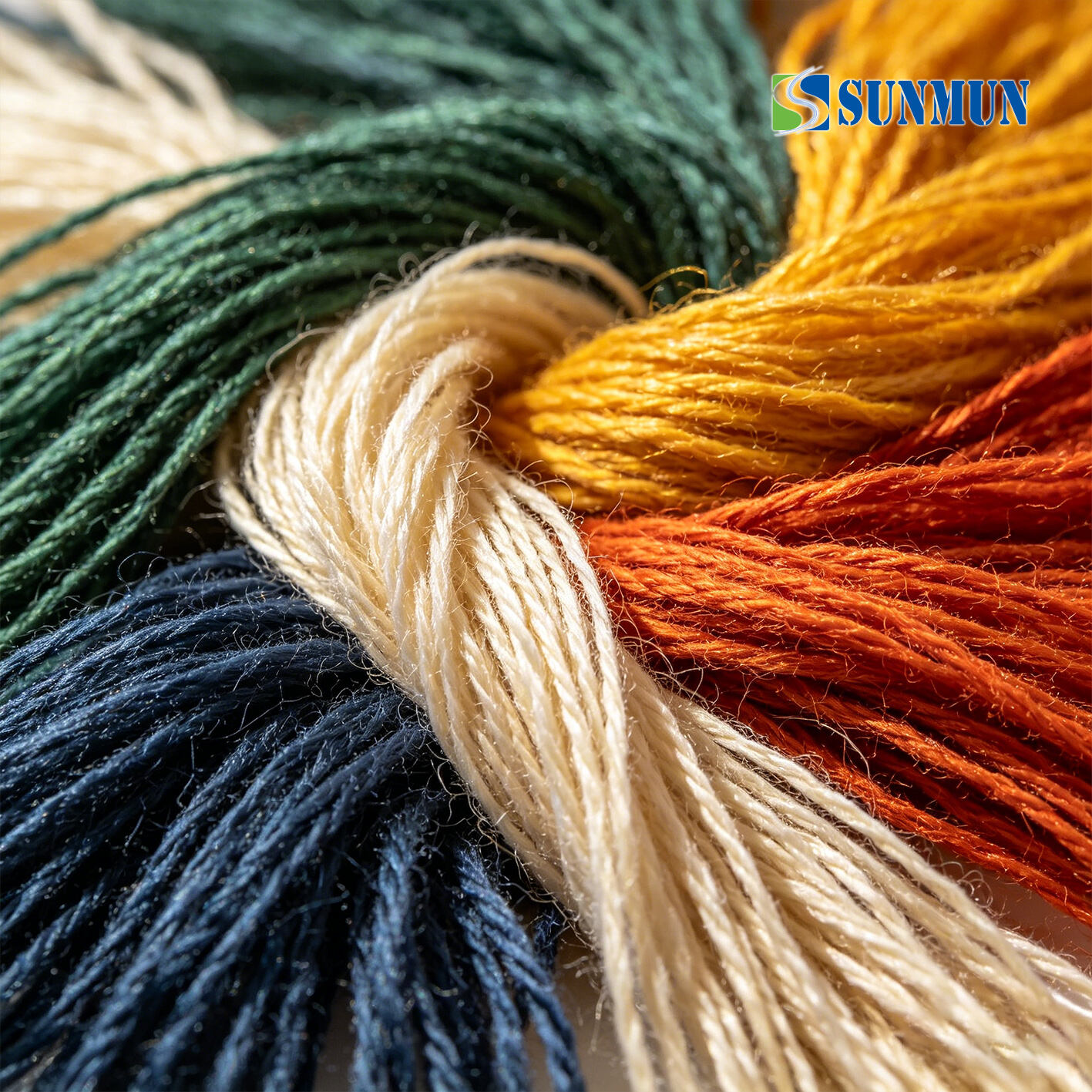
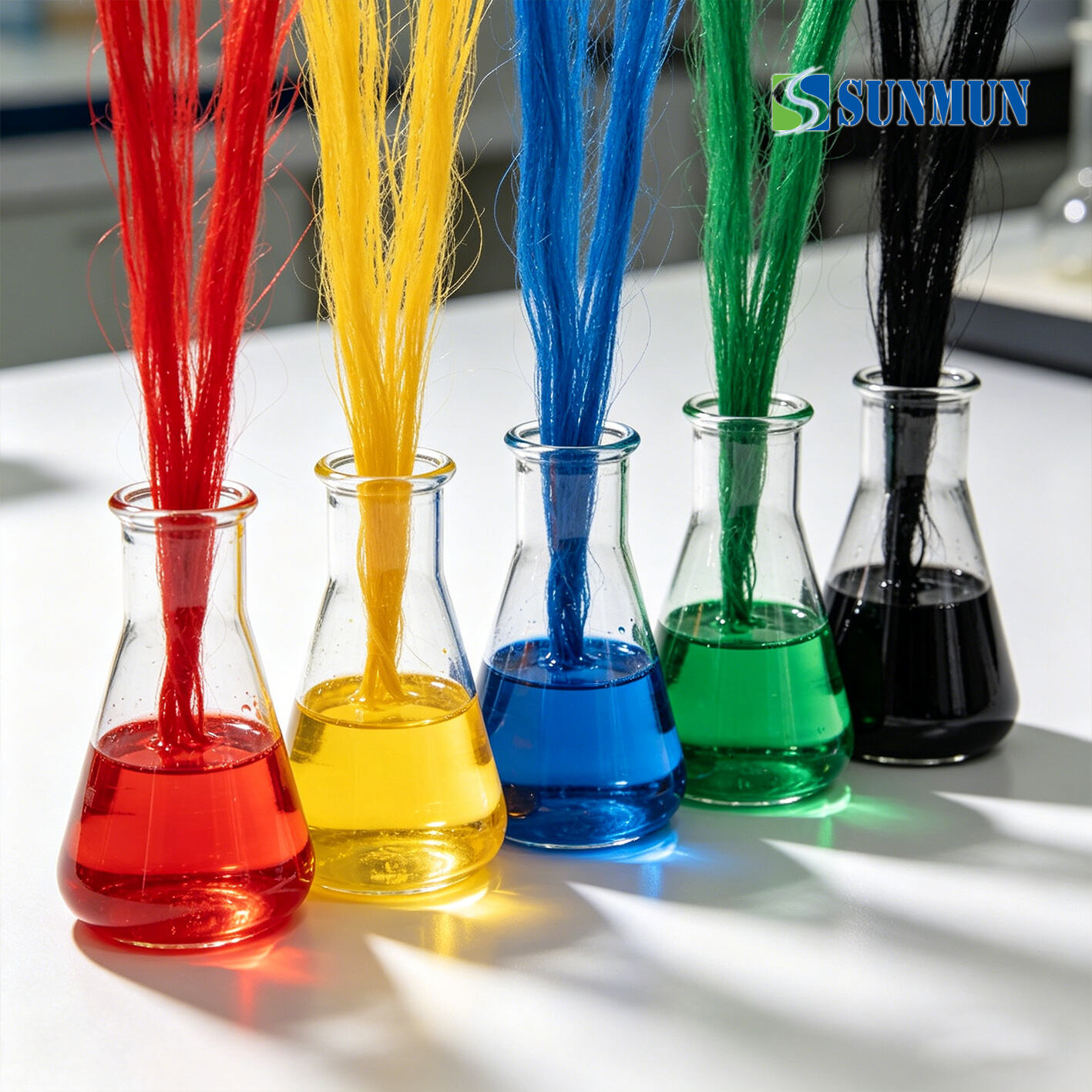
Fiber dope dyeing oil represents a revolutionary advancement in textile manufacturing, specifically designed to enhance the coloration process during fiber production. This specialized chemical formulation serves as a critical component in the dope dyeing process, where synthetic fibers receive their color directly during the spinning stage rather than through traditional post-production dyeing methods. The fiber dope dyeing oil acts as a carrier medium that ensures uniform color distribution throughout the polymer matrix before extrusion into fibers. The primary functions of fiber dope dyeing oil include facilitating optimal color dispersion, maintaining consistent viscosity during the spinning process, and providing thermal stability under high-temperature manufacturing conditions. This innovative solution addresses common challenges faced in conventional dyeing processes by eliminating the need for separate dyeing baths and reducing water consumption significantly. The technological features of fiber dope dyeing oil encompass superior compatibility with various polymer systems, excellent heat resistance properties, and enhanced flow characteristics that prevent equipment clogging during production. Modern formulations incorporate advanced stabilizers that protect colorants from degradation while maintaining the mechanical properties of the resulting fibers. Applications span across multiple textile sectors including automotive upholstery, home furnishing fabrics, industrial textiles, and apparel manufacturing where consistent color quality remains paramount. The fiber dope dyeing oil enables manufacturers to achieve deeper color penetration, improved color fastness ratings, and reduced environmental impact compared to traditional dyeing methods. Manufacturing facilities utilizing fiber dope dyeing oil benefit from streamlined production workflows, decreased processing time, and enhanced quality control measures. The integration of this technology supports sustainable manufacturing practices by minimizing chemical waste and reducing energy consumption associated with conventional dyeing processes.
 ×
×


 EN
EN