Versatile Application Range and Technical Performance
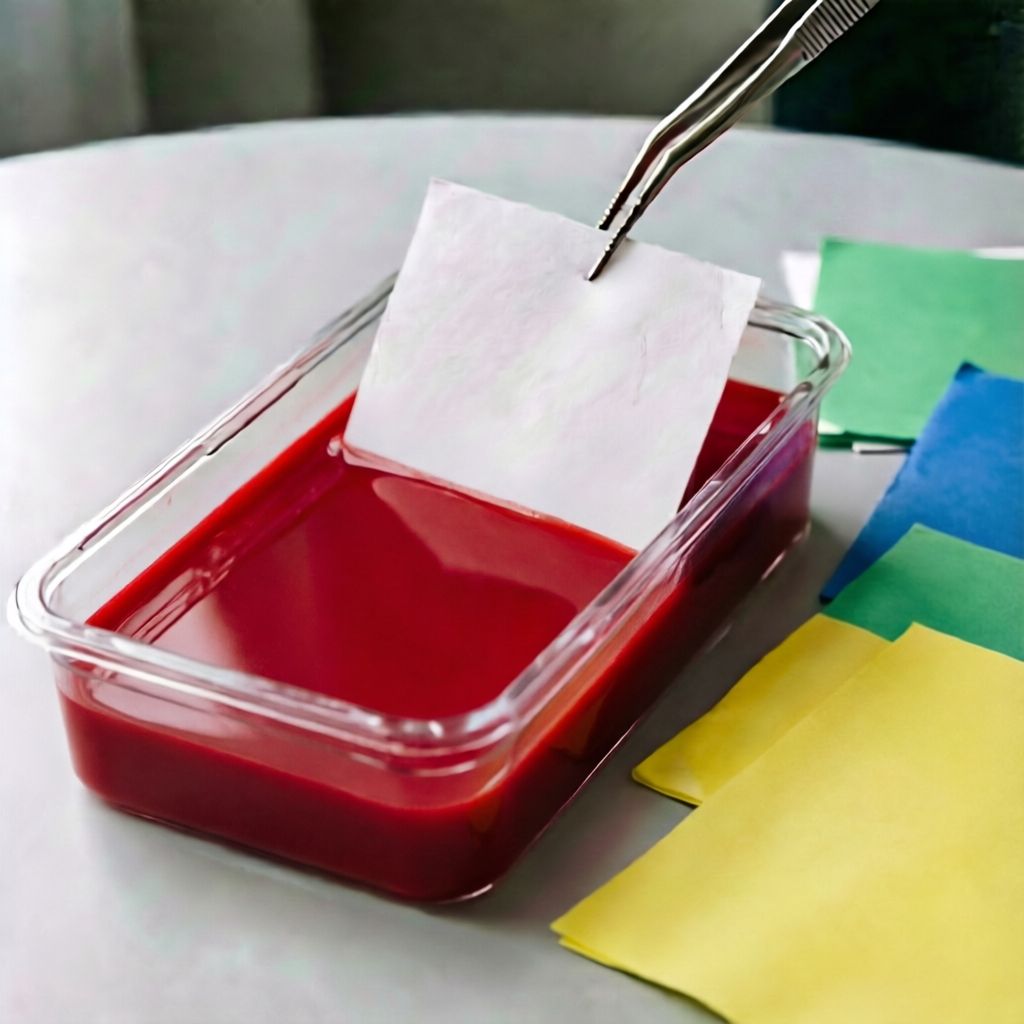
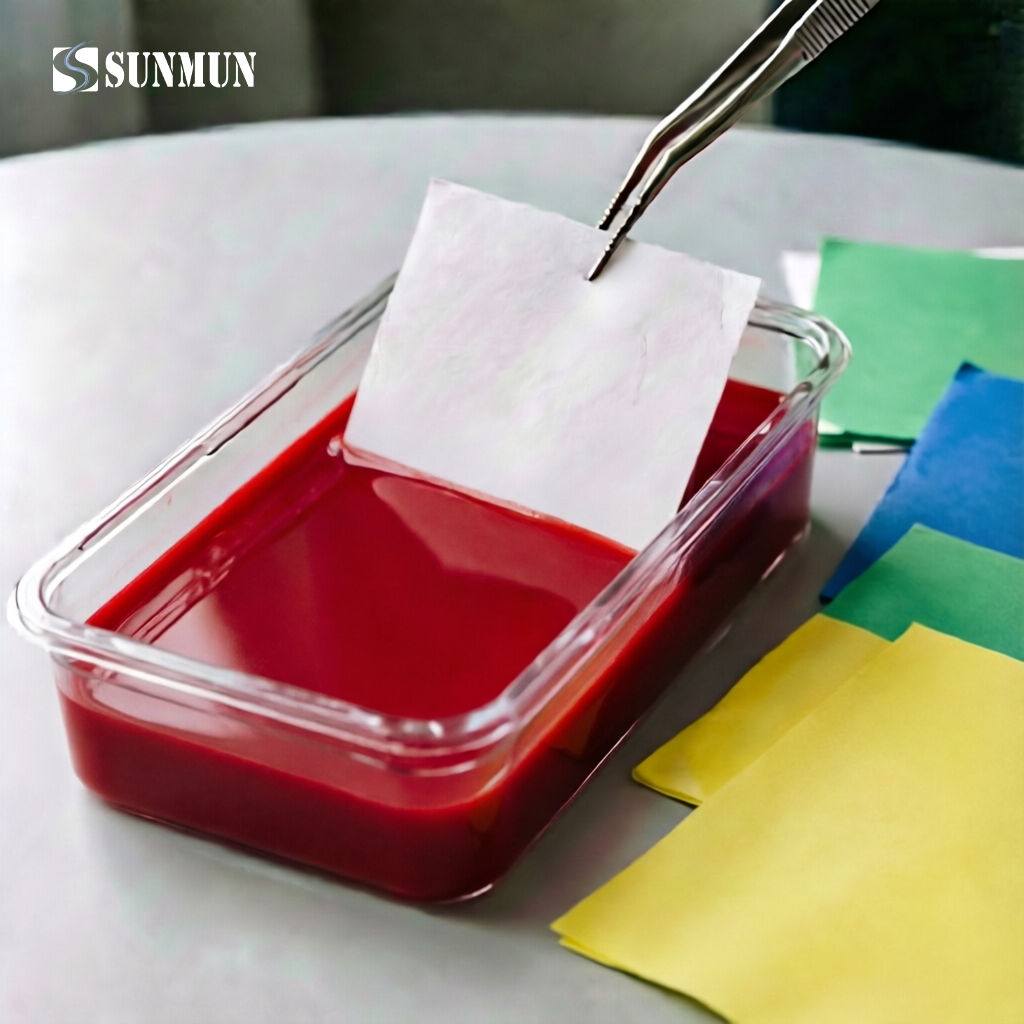
The remarkable versatility of colorant for paper enables seamless integration across diverse manufacturing processes and end-use applications, delivering consistent performance characteristics that meet varying technical requirements and customer specifications. This adaptability stems from carefully engineered formulations that maintain stability and effectiveness across different paper grades, processing conditions, and finishing operations including printing, laminating, and specialty coating applications. Educational applications benefit from colorant systems that support creative learning activities, organizational systems, and visual communication tools that enhance educational experiences while maintaining safety standards appropriate for classroom environments. Commercial printing operations rely on colorant-enhanced substrates that provide optimal ink receptivity, color reproduction accuracy, and finishing compatibility that supports high-quality output production. The technical performance characteristics of modern colorant formulations include excellent lightfastness properties that prevent color degradation under UV exposure, ensuring long-term appearance retention in applications ranging from outdoor signage to archival document production. Chemical resistance capabilities enable colored paper products to withstand exposure to various substances including adhesives, cleaning agents, and atmospheric pollutants without experiencing color shifts or degradation. The mechanical properties of colorant-treated paper maintain strength, flexibility, and processing characteristics equivalent to uncolored materials, ensuring compatibility with automated handling equipment and converting operations. Manufacturing flexibility allows producers to adjust colorant concentrations and combinations to achieve custom colors that meet specific brand requirements or aesthetic preferences without compromising production efficiency or quality standards. The broad spectrum of achievable colors ranges from subtle pastels suitable for professional correspondence to vibrant hues appropriate for marketing materials and artistic applications. Processing compatibility ensures that colorant for paper integrates effectively with various fiber types including recycled content, alternative fibers, and specialty pulp grades, supporting diverse manufacturing strategies and sustainability objectives. Quality retention throughout storage and distribution maintains color integrity under varying environmental conditions, protecting manufacturer investments and customer satisfaction levels across extended supply chain operations.
 ×
×

 EN
EN