Premium Color Masterbatch for Fabric - Advanced Textile Coloring Solutions for Superior Quality and Efficiency

Get a Free Quote

Our representative will contact you soon.
Email
Company Name
Mobile/WhatsApp
Interest of Products
Message
0/1000

color masterbatch for fabric

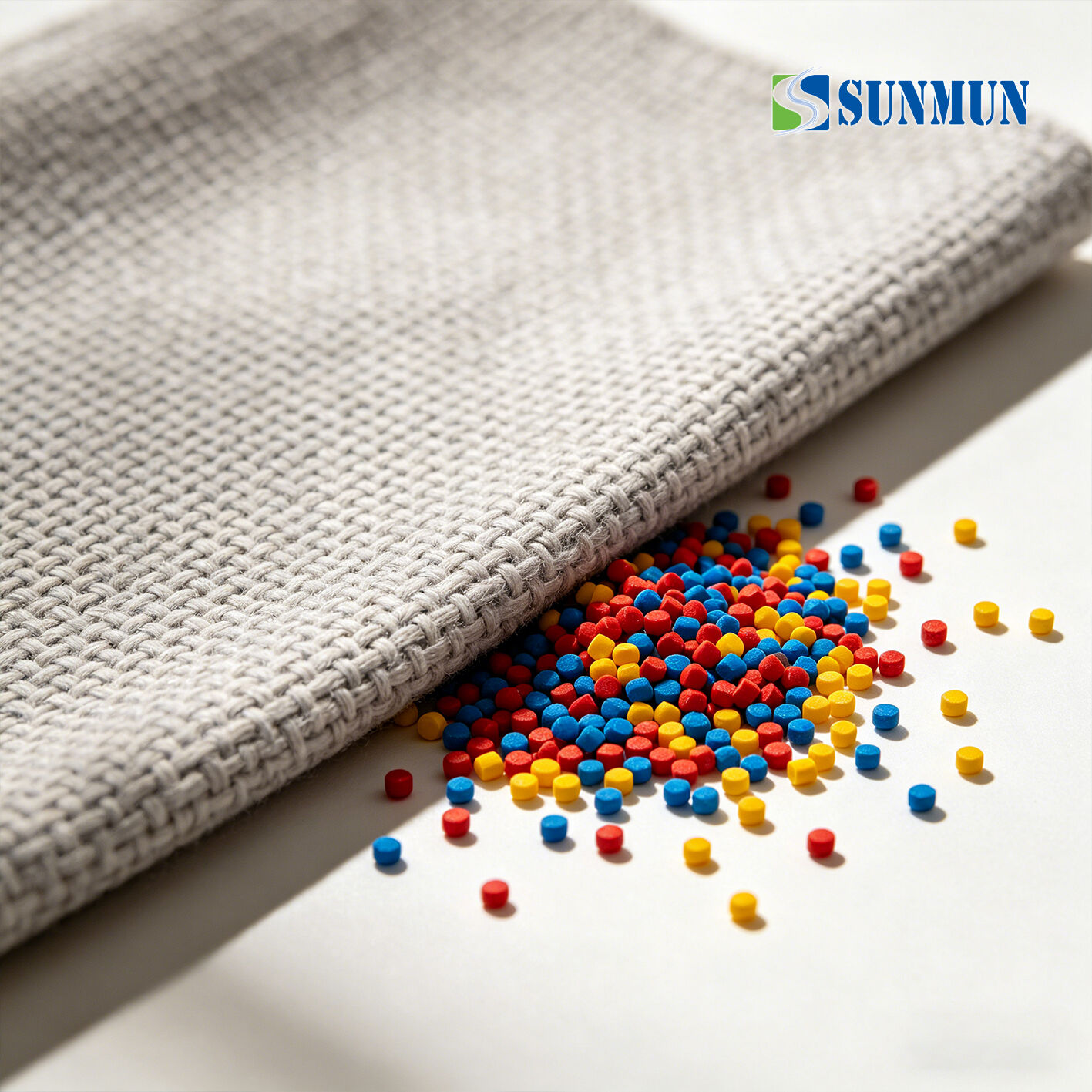
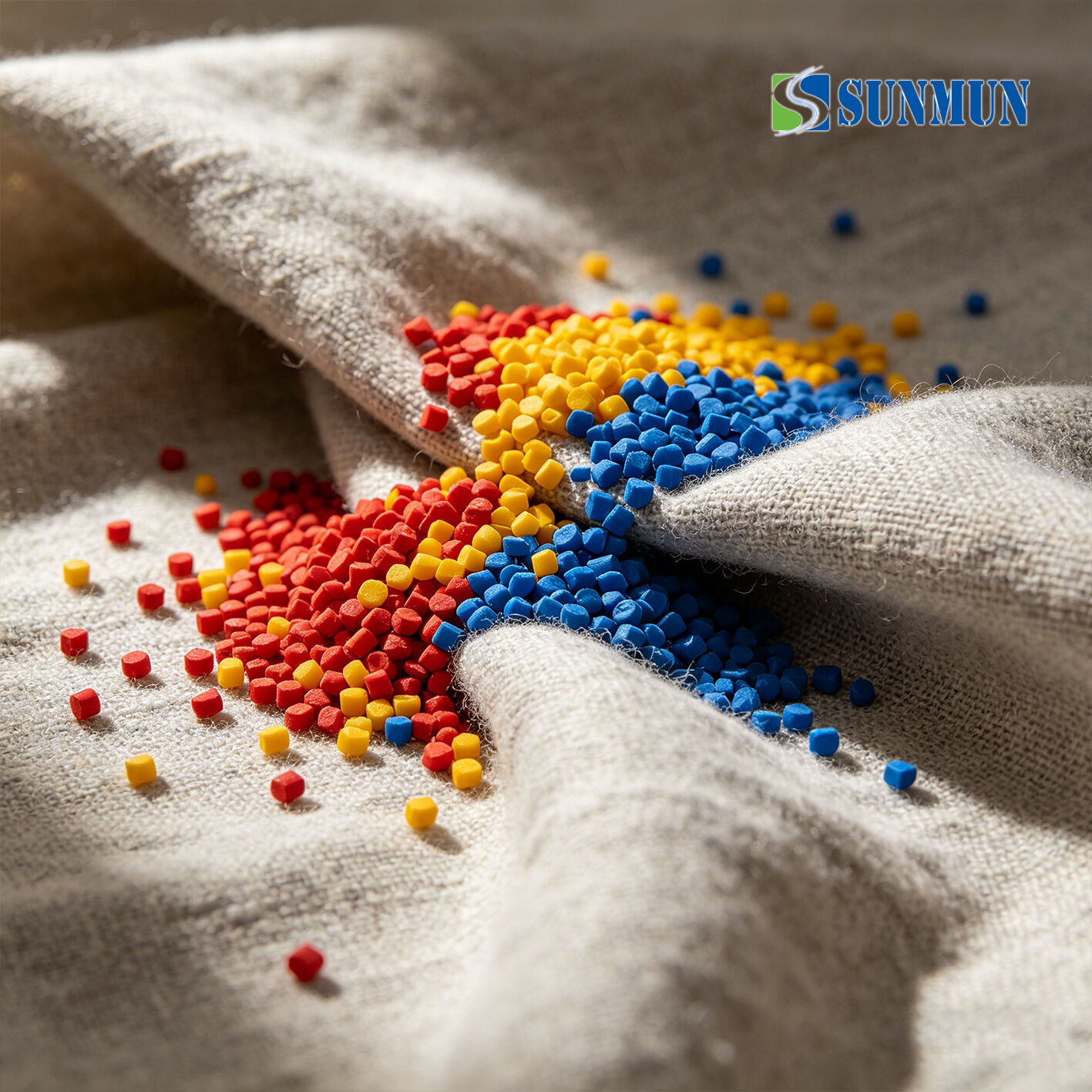
Color masterbatch for fabric represents a revolutionary advancement in textile coloring technology, serving as a concentrated pigment system that transforms the dyeing and coloring processes across various textile applications. This specialized product consists of high-quality colorants, carriers, and additives that are uniformly dispersed to create consistent, vibrant colors in fabric manufacturing. The primary function of color masterbatch for fabric lies in its ability to provide uniform color distribution throughout textile materials while maintaining excellent color fastness and durability properties. Unlike traditional dyeing methods, color masterbatch for fabric offers precise color control and reproducibility, making it an essential component for manufacturers seeking consistent quality standards. The technological features of color masterbatch for fabric include advanced dispersion technology that ensures even pigment distribution, thermal stability for high-temperature processing, and compatibility with various synthetic and natural fibers. These masterbatches incorporate sophisticated carrier systems that facilitate proper pigment migration and fixation within fabric structures, resulting in superior coloration performance. The applications of color masterbatch for fabric span across numerous textile sectors, including fashion apparel, home textiles, technical textiles, and industrial fabrics. Manufacturers utilize color masterbatch for fabric in processes such as solution dyeing, melt spinning, and fiber extrusion, where precise color control is paramount. The versatility of color masterbatch for fabric extends to various fiber types including polyester, nylon, polypropylene, and specialty synthetic fibers. Modern color masterbatch for fabric formulations also address environmental concerns by reducing water consumption, eliminating liquid dye waste, and minimizing energy requirements during production. This eco-friendly approach aligns with sustainable manufacturing practices while delivering exceptional color performance and consistency across large-scale textile production operations.

Popular Products

Color masterbatch for fabric delivers substantial practical benefits that directly impact manufacturing efficiency and product quality for textile producers worldwide. The primary advantage lies in exceptional color consistency, where color masterbatch for fabric eliminates the variability associated with traditional liquid dyeing methods. Manufacturers achieve precise color matching across different production batches, ensuring that fabric colors remain uniform regardless of production volume or timing. This consistency translates into reduced waste, fewer rejected products, and improved customer satisfaction rates. Cost effectiveness represents another significant advantage of color masterbatch for fabric, as it eliminates the need for expensive dyeing equipment, reduces water consumption by up to 90 percent, and minimizes chemical waste disposal costs. The concentrated nature of color masterbatch for fabric means smaller storage requirements and reduced transportation costs compared to liquid dyes. Processing efficiency improves dramatically when using color masterbatch for fabric, as manufacturers can integrate coloring directly into the fiber production process, eliminating separate dyeing stages and reducing overall production time by up to 40 percent. This streamlined approach reduces labor costs and energy consumption while increasing production throughput. Environmental benefits of color masterbatch for fabric include significant reduction in water pollution, elimination of wastewater treatment requirements, and decreased carbon footprint during production. The dry powder form of color masterbatch for fabric eliminates liquid waste streams and reduces the environmental impact associated with traditional wet dyeing processes. Color masterbatch for fabric also provides superior color fastness properties, ensuring that fabrics maintain their vibrant appearance through multiple wash cycles and extended use. This durability advantage translates into higher customer satisfaction and reduced warranty claims for manufacturers. The versatility of color masterbatch for fabric allows manufacturers to produce custom colors quickly and efficiently, responding rapidly to market demands and seasonal trends without maintaining large inventories of pre-colored materials. Quality control becomes more manageable with color masterbatch for fabric, as manufacturers can implement standardized color specifications and achieve repeatable results across different production facilities and equipment types.

Tips And Tricks

Sunmun Subsidiary Named

12

Mar

Sunmun Subsidiary Named "Jiangsu Provincial Green Factory", Advancing Sustainable Colorant Production

View More
Sunmun’s Water-Based Color Paste for Viscose Fiber Dope Dyeing Wins “Jiangsu Premium Product” Certification 2025

16

Mar

Sunmun’s Water-Based Color Paste for Viscose Fiber Dope Dyeing Wins “Jiangsu Premium Product” Certification 2025

View More
Sunmun Deepens Southeast Asia Presence with Eco-Friendly Colorants at Pacific Coatings Show 2025

16

Mar

Sunmun Deepens Southeast Asia Presence with Eco-Friendly Colorants at Pacific Coatings Show 2025

View More
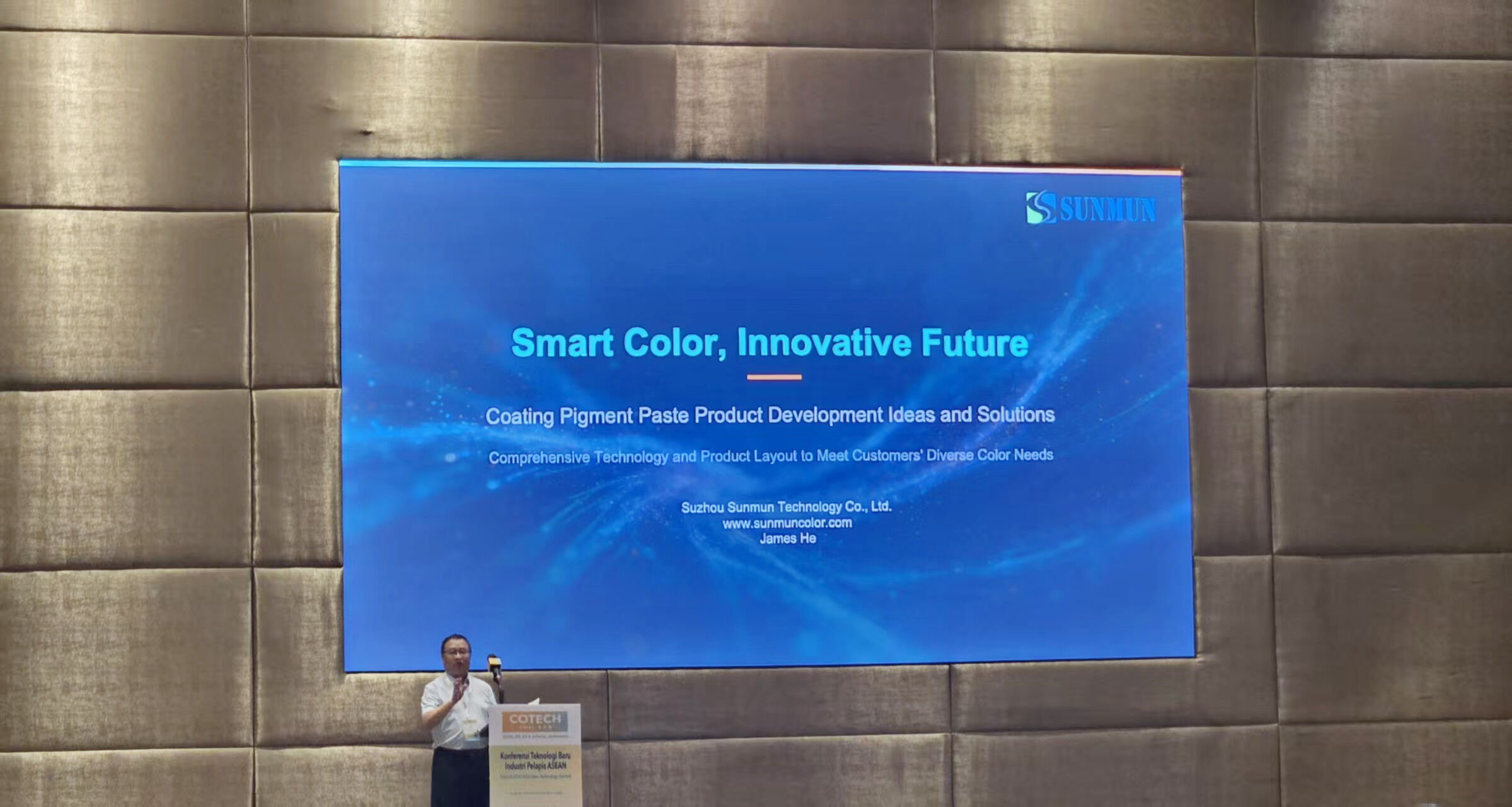
SUNMUN Technology Shines at ASEAN Advanced Coatings Technology Forum in Indonesia

28

Apr

SUNMUN Technology Shines at ASEAN Advanced Coatings Technology Forum in Indonesia

View More

Get a Free Quote

Our representative will contact you soon.
Email
Company Name
Mobile/WhatsApp
Interest of Products
Message
0/1000

color masterbatch for fabric

Superior Color Consistency and Precision Control

Superior Color Consistency and Precision Control

Color masterbatch for fabric delivers unmatched color consistency that revolutionizes textile manufacturing processes and quality standards. This precision control stems from the advanced manufacturing techniques used in creating color masterbatch for fabric, where pigments undergo rigorous dispersion processes that ensure uniform particle distribution throughout the carrier matrix. The result is a homogeneous color concentrate that maintains consistent performance characteristics across different production runs and environmental conditions. Manufacturers utilizing color masterbatch for fabric can achieve color variations within 0.5 Delta E units, a level of precision that surpasses traditional dyeing methods by significant margins. This exceptional consistency eliminates the color matching challenges that plague conventional dyeing processes, where variables such as water quality, temperature fluctuations, and chemical interactions can cause significant color variations. Color masterbatch for fabric provides manufacturers with the confidence to commit to large-scale production runs without concern for color drift or batch-to-batch variations. The precision control offered by color masterbatch for fabric extends beyond basic color matching to include specialized effects such as metallic finishes, fluorescent properties, and color-changing capabilities. These advanced formulations maintain their unique characteristics throughout the manufacturing process, ensuring that end products meet exact specifications and customer expectations. The technological sophistication of color masterbatch for fabric includes computer-controlled dosing systems that allow manufacturers to adjust color intensity and hue with mathematical precision. This level of control enables production of complex color gradients, custom color combinations, and specialized color effects that would be impossible to achieve through traditional dyeing methods. Quality assurance becomes simplified with color masterbatch for fabric, as manufacturers can establish standardized color libraries and reference systems that ensure consistent results across multiple production facilities and time periods. The reliability of color masterbatch for fabric reduces the need for extensive color correction procedures and minimizes production delays associated with color matching issues.
Enhanced Processing Efficiency and Cost Optimization

Enhanced Processing Efficiency and Cost Optimization

Color masterbatch for fabric transforms manufacturing economics by delivering exceptional processing efficiency that significantly reduces production costs and improves operational profitability. The integration of color masterbatch for fabric into existing production lines eliminates multiple processing steps traditionally required for fabric coloring, streamlining operations and reducing overall production time by 30 to 50 percent. This efficiency improvement stems from the ability to incorporate coloring directly during fiber extrusion or spinning processes, eliminating separate dyeing operations that require additional equipment, labor, and facility space. Manufacturers using color masterbatch for fabric benefit from reduced inventory requirements, as they can maintain smaller stocks of base materials and color concentrates rather than extensive inventories of pre-colored materials. The concentrated nature of color masterbatch for fabric means that storage space requirements decrease by up to 80 percent compared to liquid dye systems, while transportation costs drop proportionally due to reduced shipping volumes and weights. Energy consumption represents a major cost factor where color masterbatch for fabric provides substantial savings, as manufacturers eliminate the energy-intensive heating and cooling cycles associated with traditional dyeing processes. The direct integration approach of color masterbatch for fabric reduces energy consumption by approximately 60 percent while maintaining superior color quality and consistency. Labor cost optimization occurs naturally when implementing color masterbatch for fabric systems, as the simplified processing requirements reduce the need for specialized dyeing technicians and minimize manual handling procedures. Automated dosing systems compatible with color masterbatch for fabric enable lean manufacturing practices that reduce labor costs while improving process consistency and quality control. Equipment utilization improves dramatically with color masterbatch for fabric, as manufacturers can dedicate production lines to continuous operation rather than batch processing cycles required by traditional dyeing methods. This improved utilization translates into higher production capacity from existing equipment investments and delayed capital expenditure requirements for additional manufacturing capacity. The reduced complexity of color masterbatch for fabric processing also minimizes equipment maintenance requirements and extends machinery service life, contributing to lower total cost of ownership for textile manufacturing operations.
Environmental Sustainability and Regulatory Compliance

Environmental Sustainability and Regulatory Compliance

Color masterbatch for fabric represents a paradigm shift toward environmental sustainability in textile manufacturing, addressing critical ecological concerns while maintaining superior product quality and performance standards. The environmental advantages of color masterbatch for fabric begin with dramatic water consumption reduction, as the dry application process eliminates the massive water requirements associated with traditional dyeing operations. Conventional fabric dyeing consumes between 100 to 200 liters of water per kilogram of fabric, while color masterbatch for fabric requires virtually no water during the coloring process, representing a water savings of over 95 percent. This reduction addresses one of the textile industry's most significant environmental challenges and helps manufacturers comply with increasingly stringent water conservation regulations. Wastewater elimination constitutes another major environmental benefit of color masterbatch for fabric, as the dry processing method produces no liquid waste streams that require treatment or disposal. Traditional dyeing operations generate contaminated wastewater containing dyes, chemicals, and auxiliary agents that require expensive treatment processes and pose environmental risks if improperly handled. Color masterbatch for fabric eliminates these concerns entirely, reducing environmental liability and regulatory compliance costs for manufacturers. Chemical usage reduction represents a significant sustainability advantage of color masterbatch for fabric, as the concentrated formulation eliminates the need for numerous auxiliary chemicals required in traditional dyeing processes. These chemicals, including surfactants, leveling agents, and pH adjusters, often contain substances of environmental concern and contribute to ecological impact. The simplified chemistry of color masterbatch for fabric reduces chemical exposure risks for workers while minimizing environmental contamination potential. Carbon footprint reduction occurs through multiple mechanisms when implementing color masterbatch for fabric systems, including elimination of energy-intensive heating and cooling cycles, reduced transportation requirements for concentrated products, and simplified processing that requires less equipment operation time. Life cycle assessments demonstrate that color masterbatch for fabric reduces overall carbon emissions by 40 to 60 percent compared to conventional dyeing processes. Regulatory compliance becomes more manageable with color masterbatch for fabric, as manufacturers can more easily meet REACH, OEKO-TEX, and other international standards that govern chemical usage in textile production. The controlled formulation and reduced chemical complexity of color masterbatch for fabric simplify documentation requirements and reduce regulatory compliance costs while ensuring product safety and environmental responsibility.

Get a Free Quote

Our representative will contact you soon.
Email
Company Name
Mobile/WhatsApp
Interest of Products
Message
0/1000