Versatile Processing and Application Flexibility
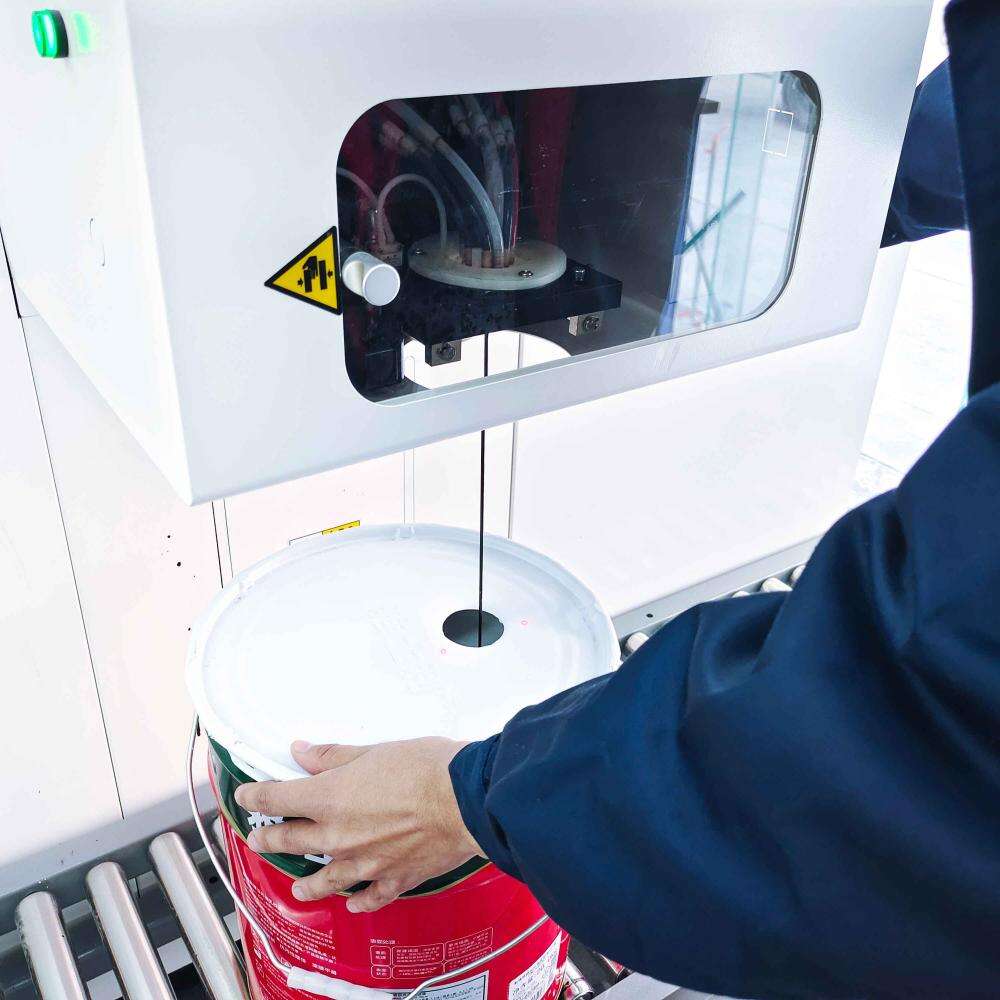
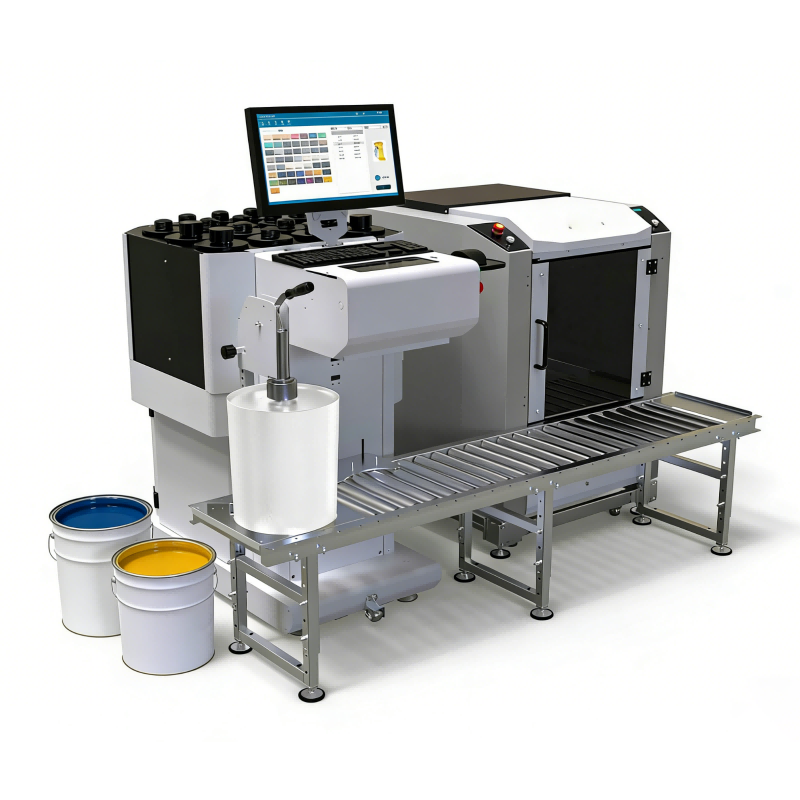
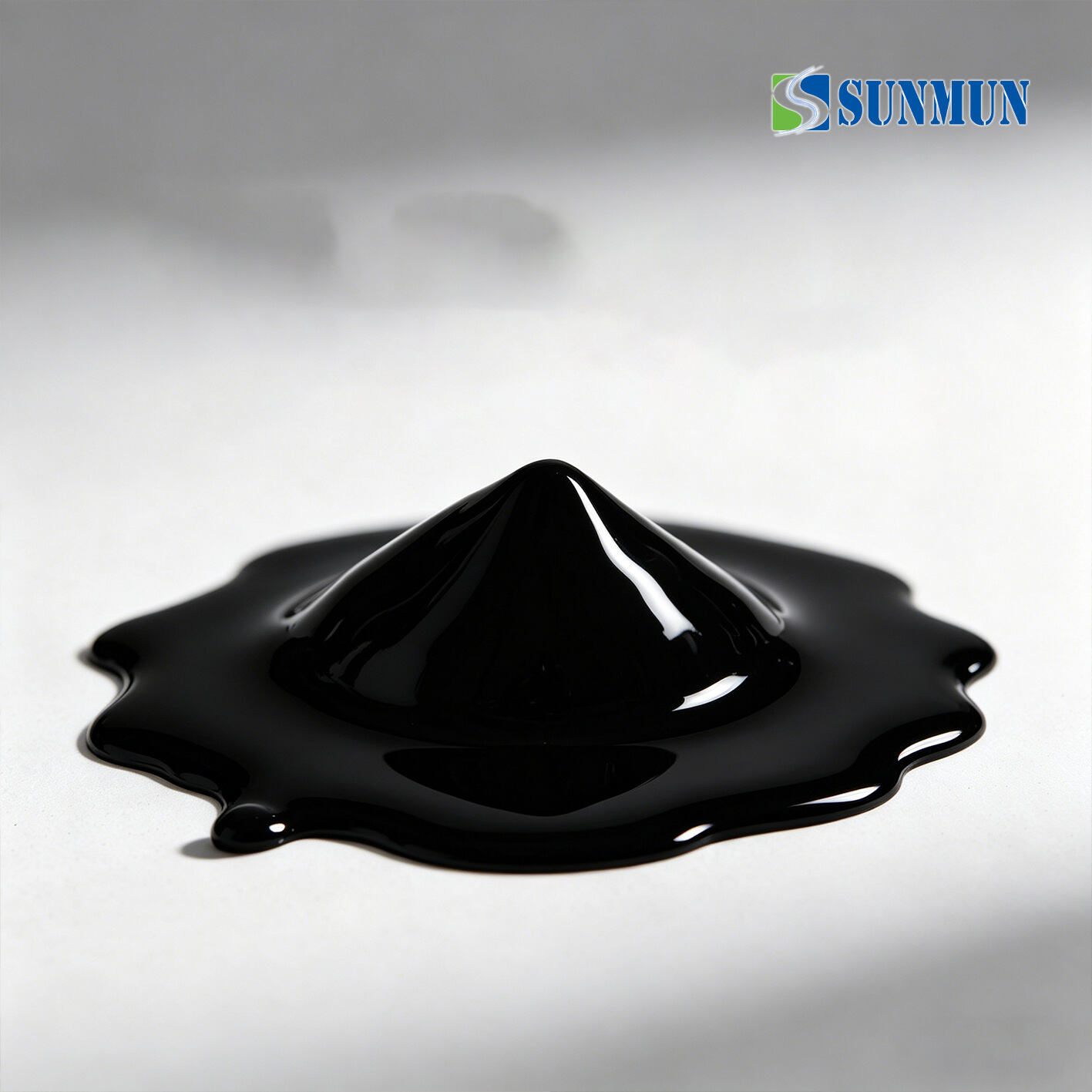
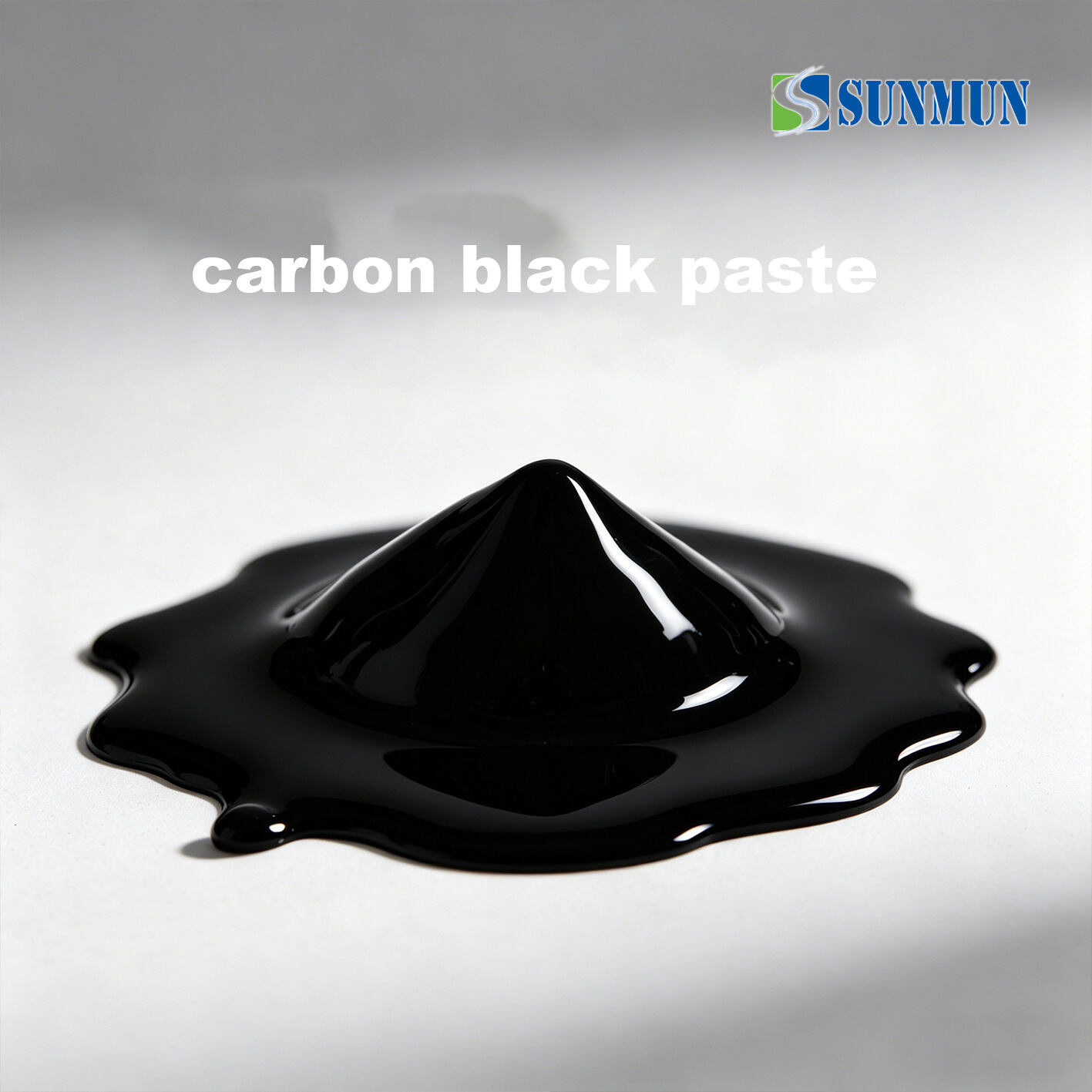
Carbon black paste demonstrates exceptional processing versatility that accommodates multiple application methods and manufacturing processes, providing manufacturers with unprecedented flexibility in production planning and product design. The paste's optimized rheological properties enable successful application through conventional coating techniques including brush application, spray coating, dip coating, and roll-to-roll processing without requiring specialized equipment modifications or significant process changes. This compatibility with existing manufacturing infrastructure reduces implementation costs and accelerates production line integration. Screen printing applications benefit from the paste's excellent printability characteristics that produce uniform coverage and sharp edge definition while maintaining consistent thickness control. The thixotropic behavior of carbon black paste ensures proper flow during application while preventing unwanted spreading or dripping after placement, resulting in precise pattern formation and reduced material waste. Injection molding and extrusion processes accommodate carbon black paste incorporation without significant processing parameter changes, allowing manufacturers to enhance product properties without major equipment investments or process reengineering. The paste's thermal stability during processing ensures that its beneficial properties remain intact throughout manufacturing cycles that involve elevated temperatures. Curing flexibility represents another significant processing advantage, as carbon black paste formulations can be designed to cure under various conditions including ambient temperature, elevated temperature, UV exposure, or chemical activation. This curing versatility allows manufacturers to select optimal processing conditions based on production requirements, substrate limitations, or energy efficiency considerations. The paste's compatibility with numerous substrate materials including metals, plastics, ceramics, glass, and composites eliminates the need for surface pre-treatment in many applications, simplifying manufacturing processes and reducing production time. Mixing and blending capabilities allow carbon black paste to be combined with other functional additives or base materials to create custom formulations tailored to specific application requirements. This customization potential enables manufacturers to develop unique product characteristics that provide competitive advantages in their respective markets. Storage and handling simplicity further enhances processing flexibility, as the paste maintains stable properties under normal storage conditions without requiring special handling procedures or environmental controls. Quality assurance becomes more manageable due to the paste's consistent behavior and predictable processing characteristics that reduce variability in manufacturing outcomes.
 ×
×


 EN
EN